






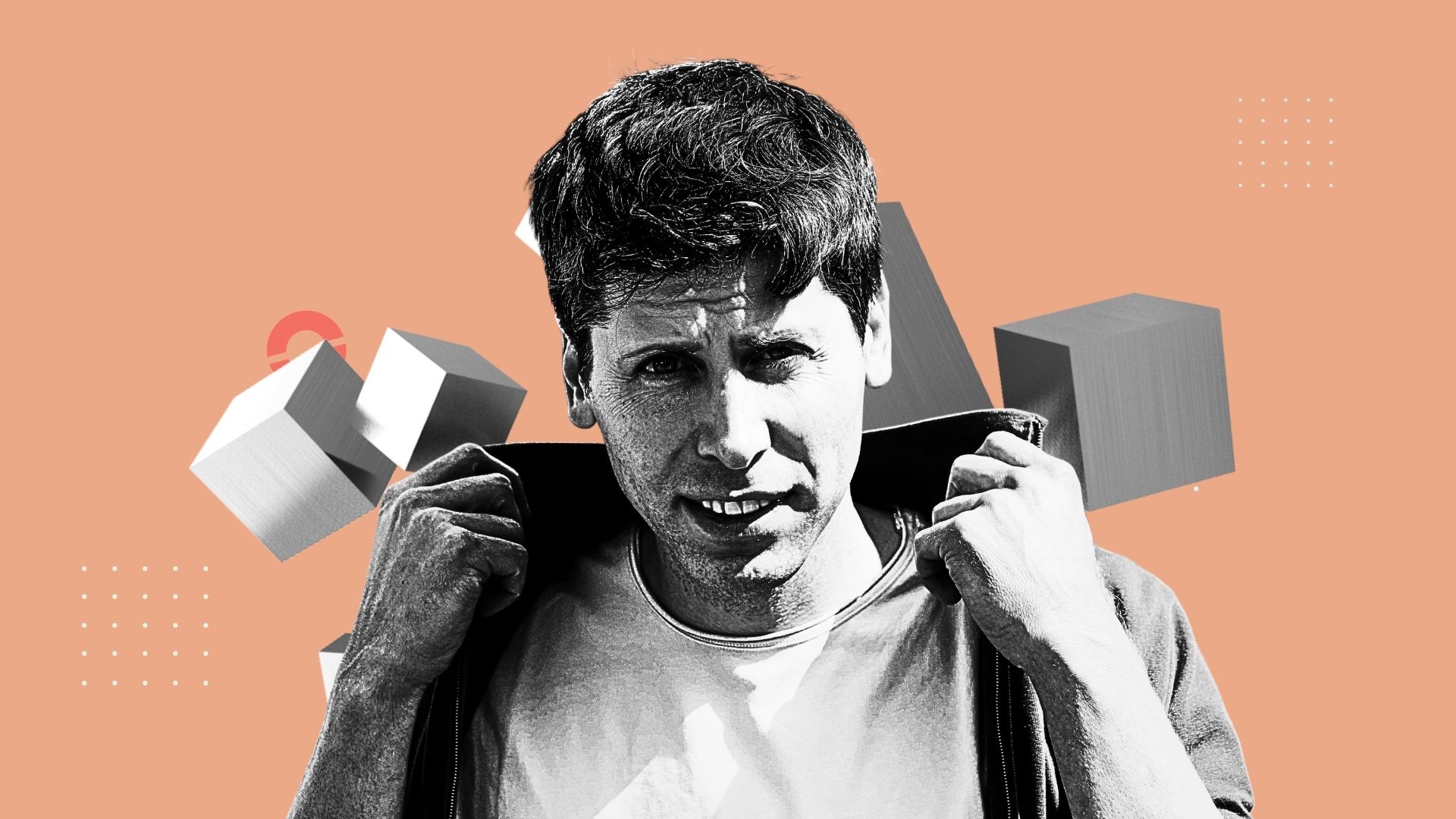
Sam Altman recently stood on a stage in India and offered a fascinating defense against the mounting criticism of AI’s massive environmental footprint. The OpenAI CEO argued that people complaining about the energy consumption of generative models are entirely missing the bigger picture. His counterargument was quite simple. It takes a lot of energy to “train” a human.
According to Altman, you have to feed a person for roughly twenty years before they actually get smart. Furthermore, humanity required billions of people surviving predators and figuring out basic science over millennia just to produce you. Therefore, asking an AI a question is highly energy-efficient compared to the biological cost of your existence.
Yes, you read that correctly. According to the current kings of Silicon Valley, your childhood, your university education, and the entirety of human evolution were just a highly unoptimized, carbon-heavy training run.
Raising a human dilemma
If we follow this specific line of logic to its natural conclusion, we have to ask a very dark question. Have we reached the end of human education?
If human development is viewed purely as a resource expenditure, educating people is a terrible investment. Why spend two decades feeding, housing, and teaching a biological unit so it can eventually write a mediocre legal contract or design a marketing campaign? A gas-powered data center can spit out the same contract in four seconds. To the hyper-optimized mind of a tech billionaire, traditional education is no longer a pillar of civilization. It is simply a lag in productivity. You are taking too long to process your training data, and your calorie intake is ruining the quarterly margins.
Biology is not a DC
The absurdity of comparing a human eating a sandwich while learning algebra to a private coal plant powering a server farm is obvious to anyone living outside of California. Humans consume resources to live, to experience the world, and to build communities. We do not consume calories strictly to become query-answering machines.
Yet, this rhetoric reveals exactly how the architects of our digital future view humanity. They see education not as the cultivation of wisdom or character, but as a data upload process. And unfortunately for us, we are incredibly slow computers. We require sleep, we forget things, we make irrational decisions, and we demand salaries.
The future of “Inefficient” learning
We are witnessing the peak of Silicon Valley detachment.
If the goal of society is simply to output correct text sequences at the lowest possible energy cost per word, then human education is indeed obsolete. But education was never just about output. It is about context, empathy, historical awareness, and the messy reality of figuring out how to exist alongside other people.
The next time you struggle to learn a new skill or spend years mastering a craft, do not feel bad about your slow processing speed. You might be an incredibly inefficient algorithm, but at least you do not require your own personal nuclear reactor to write an email.