




The digital pendulum has swung back. In a collective rejection of the hyper-polished, AI-generated reality of 2026, Generation Z is aggressively pivoting to the chaotic, oversaturated nostalgia of a decade ago.
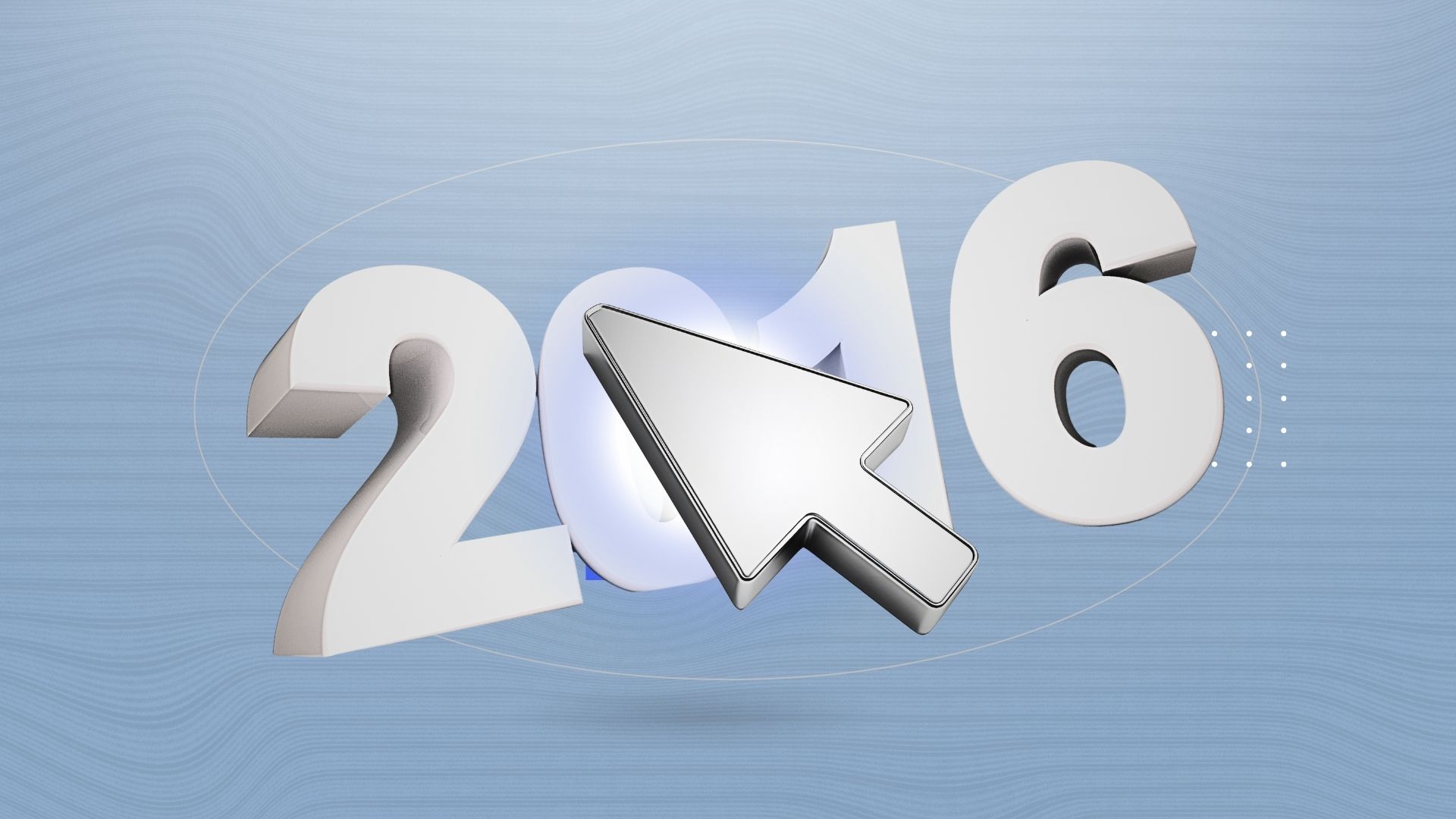
If your social media feed has suddenly started to look like a time capsule from the mid-2010s, you are witnessing the “Great Meme Reset.” This cultural phenomenon, which began gaining traction in late 2025, sees internet users actively rejecting the 4K definition of the present day in favor of the low-resolution energy of 2016. It is a trend defined not by what is new, but by a desperate hunger for what has been lost.
The psychology of the “Great Reset”
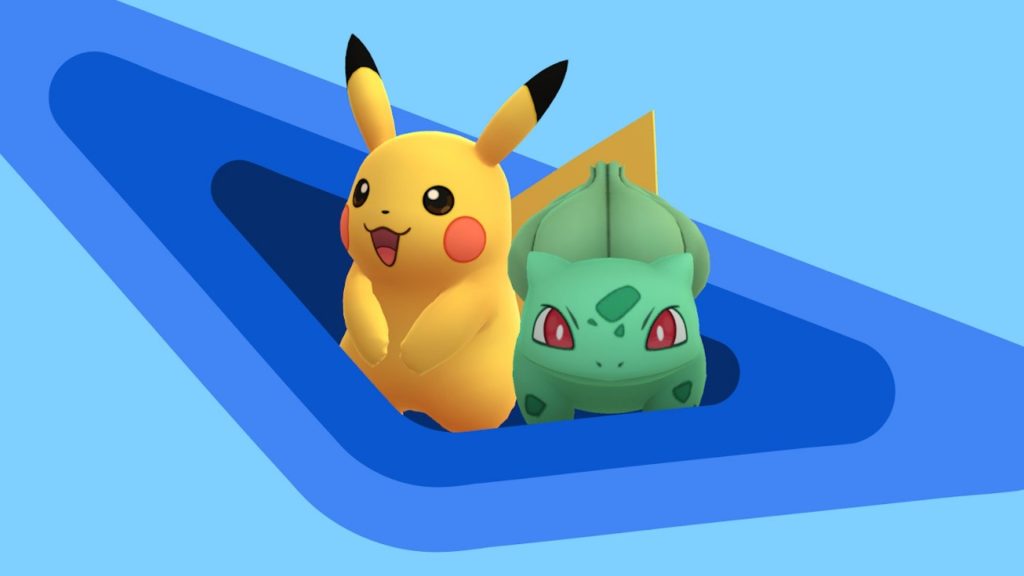
To understand why millions of users are captioning their posts “2026 is the new 2016,” we must look at the psychological drivers. For many, 2016 represents the last moment of a “golden” internet before the world fundamentally changed. It was a pre-pandemic, pre-inflation era where the primary online concerns were the Mannequin Challenge and the release of Pokémon Go.
The current fascination stems from a desire to escape the “Dead Internet” theory, the feeling that the modern web is overrun by bots and synthetic content. By retreating to 2016, users are simulating a digital environment that feels smaller, safer, and distinctly human. They are treating the start of 2026 not as a new beginning, but as a “reset day,” an attempt to wipe the slate clean and return to a time when the internet felt like a community rather than a battleground.
The aesthetic of imperfection
Visually, this trend is a rebellion against the tyranny of perfection. For the last few years, the dominant aesthetic has been one of cinematic quality and AI-enhanced smoothness. The “2016 aesthetic” disrupts this by celebrating the messy and the cringe.
Participants are intentionally degrading the quality of their images to mimic the grainy, flash-heavy look of early smartphones. The visual language is specific and loud: the “dog ear” Snapchat filters, the flower crowns, and the oversaturated “King Kylie” makeup looks that defined the era. It is a return to a time when social media was performed for fun, rather than optimized for an algorithm. Platforms that capture this raw energy, like the spirit of the defunct Vine or the lip-syncing simplicity of Dubsmash, are being conceptually resurrected on TikTok.
The soundtrack of a monoculture
Perhaps the most potent driver of this nostalgia is audio. 2016 was arguably the last year of a true “pop monoculture,” where everyone seemed to be listening to the same songs at the same time. The trend is powered by the auditory memories of tracks like Desiigner’s “Panda,” The Chainsmokers’ “Closer,” and Drake’s Views album.
Spotify playlists dedicated to the year are seeing surged playback numbers because these songs trigger a specific “communal joy” that feels absent in the fragmented, niche-obsessed landscape of 2026. For brands, this offers a clear sonic strategy: the quickest way to engage this demographic right now is not through futuristic soundscapes, but through the familiar basslines of a decade ago.
Selective amnesia and the brand opportunity
Of course, cultural critics argue that this trend relies on heavy selective memory. The nostalgia focuses entirely on the “vibes”, the fashion, the music, the memes, while conveniently ignoring the geopolitical instability and polarization that actually defined 2016. Yet, for marketers, this selective amnesia is the point. Consumers are not looking for historical accuracy; they are looking for emotional relief.
This “Great Regression” suggests that the way forward for brands in 2026 might actually be to look backward. We are seeing a resurgence of festival fashion, chokers, and tie-dye aesthetics that were hallmarks of the era. The brands that will win this quarter are those that can tap into this specific visual language without feeling forced, offering a digital sanctuary that feels less like the future and more like the “good old days.”