




For the better part of a decade, Dubai engineered itself as the ultimate utopia for the creator economy. With tax incentives, ten year Golden Visas, and a hyper curated luxury aesthetic, the emirate successfully attracted an estimated 50,000 influencers. It became the default backdrop for digital wealth, offering a flawless, sunny, and politically neutral environment where the biggest daily challenge was securing a Saturday brunch reservation.
Then the geopolitical reality of the Middle East crashed into the feed.
Recent military strikes targeting the city have instantly dissolved the safe haven narrative. The crisis has left thousands of international content creators caught between their natural instinct to document their daily lives and a strict state apparatus that aggressively protects its public image. The resulting fallout is exposing the deep fragility of building a personal brand on a highly regulated, manufactured illusion.
The aesthetic meets the geopolitical reality
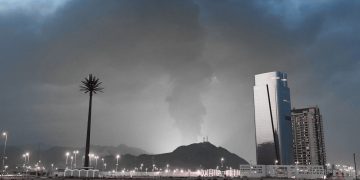
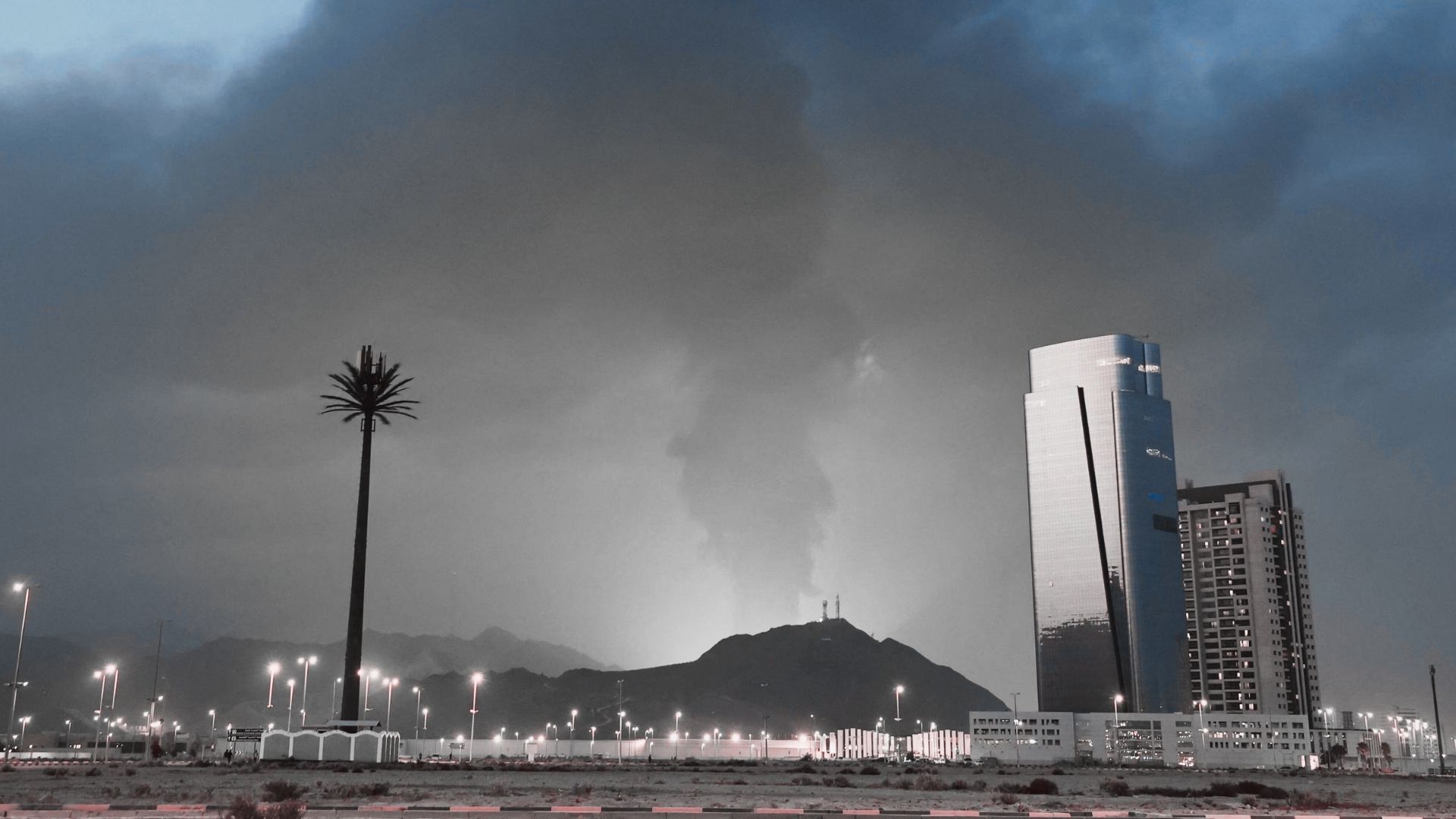
When the first projectiles were intercepted in the night sky over Dubai, content creators reacted the only way they knew how. They pulled out their phones. For a brief window, social media was flooded with raw, unfiltered panic. Influencers who normally post about luxury shopping and beach clubs were suddenly uploading terrifying footage of illuminated skies and explosions near iconic landmarks like the Fairmont The Palm and the Burj Al Arab.
One viral video featured a DJ broadcasting live from a beach club as the skyline lit up behind him. Another showed a prominent lifestyle vlogger crying on camera, stating that this was not supposed to happen here. For a few hours, the heavily filtered facade of Dubai dropped entirely, replaced by the raw reality of a region in conflict.
The legal cost of going viral
That window of unfiltered reality closed almost immediately. The UAE possesses some of the strictest cybercrime laws in the world, particularly concerning national security and the dissemination of information during a crisis. In the days following the initial strikes, authorities issued stark warnings. Any content deemed harmful to the national unity or the reputation of the state could lead to massive fines, deportation, or even jail time.
The panic among the creator community shifted from the physical threat of the strikes to the legal threat of their own content. Influencers frantically scrubbed their feeds, deleting the raw footage of the skyline and removing any videos where they expressed fear or uncertainty. The digital footprint of the panic was systematically erased by the very people who recorded it.