




For the last decade, the creator economy ran on toxic positivity. The feed was an endless stream of green juices, perfectly optimized morning routines, and relentless hustle culture. But as geopolitical conflicts escalate, inflation rises, and the future feels increasingly unstable, that glossy facade has completely collapsed. We have officially unplugged from the simulation.
Welcome to the desert of the real. The clean girl aesthetic is dead, and it has been replaced by the “Doomer Influencer.” This new wave of creators is not trying to sell you a perfect life. They are monetizing nihilism, the absolute bleakness of reality, and the comfort of giving up.
Monetizing nihilism and bad habits
If you scroll through TikTok or Instagram today, the shift in tone is jarring. The curated wellness routines sometimes have been replaced by a deep, romanticized pessimism. Influencers are no longer hiding their coping mechanisms. In fact, they are building their personal brands around them.
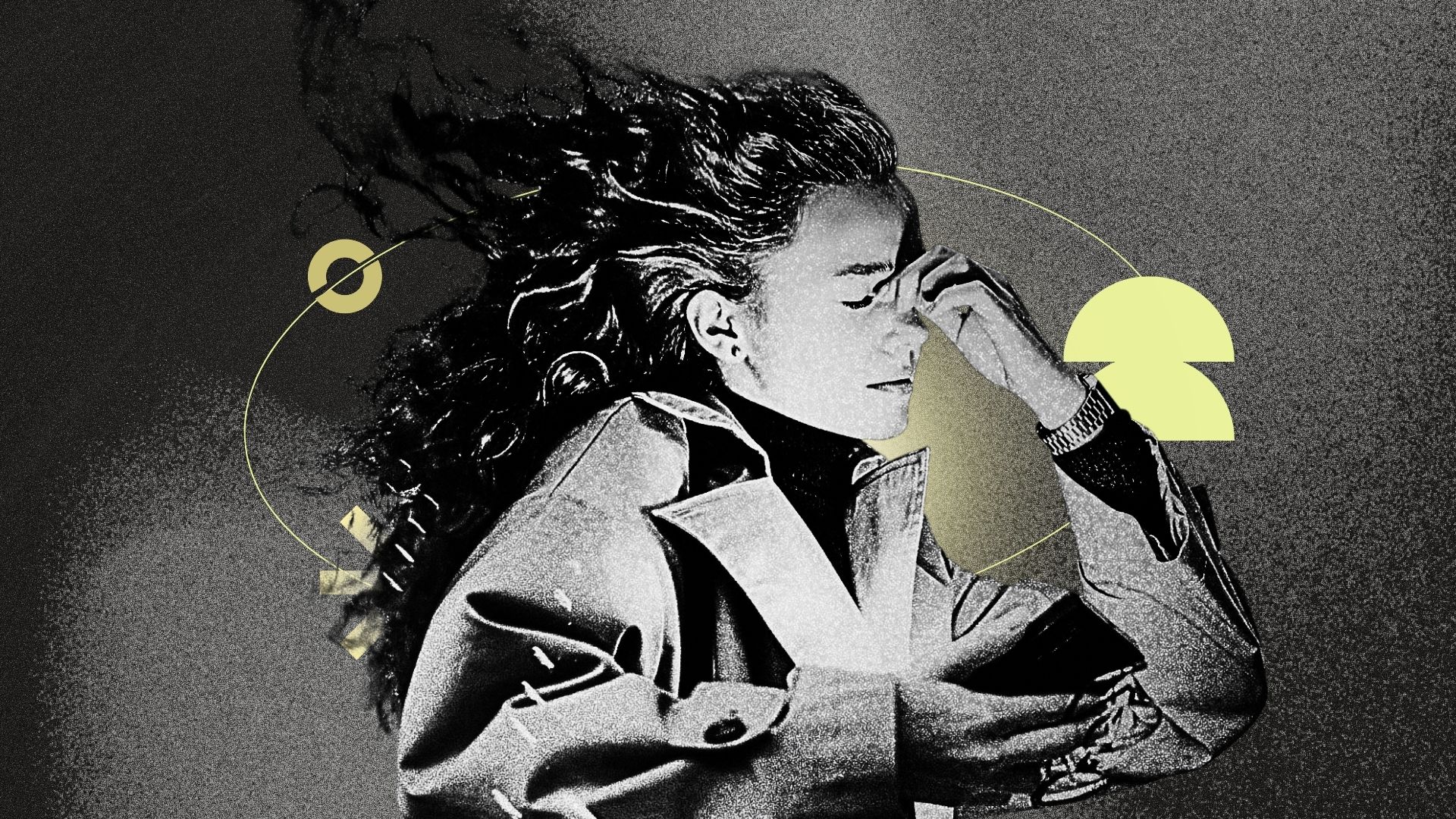
We are seeing a massive resurgence in the aestheticization of smoking, day drinking, and chronic exhaustion. The underlying message is simple. The world is quite literally on fire, the economy is broken, and trying to be perfectly healthy in a decaying society is exhausting. Doomer influencers capture millions of views simply by sitting on a fire escape, chain smoking, and staring blankly into the distance. They are tapping into a collective generational burnout, proving that highly relatable despair gets just as much engagement as aspirational luxury.

The 90s nostalgia trap
When the future is something to dread, culture immediately retreats to the past. This explains the aggressive, almost desperate hyper nostalgia for the 1990s driving the doomer aesthetic. Influencers are trading 4K video for blurry digital cameras, wired headphones, and grunge fashion.
Generally, it is a psychological retreat. The 90s represent the last cultural era before the internet algorithm took over human consciousness. It was a pre-social media, pre-collapse era where the future still felt somewhat optimistic. Doomer creators use 90s aesthetics to simulate a simpler time, offering their audience a visual escape from the constant, heavy news cycle of modern warfare and economic anxiety.

The aesthetic of the mundane
Perhaps the most fascinating aspect of the doomer influencer is their focus on the absolute mundanity of life. There is no pressure to achieve or optimize. Just surviving is presented as the new ultimate flex. Content revolves around doing absolutely nothing. Videos of creators lying on the floor listening to slow music, complaining about the pointlessness of modern jobs, or walking through gray, empty city streets are generating massive communities.
The pressure to be an extraordinary main character has vanished. The new trend is embracing the reality of being an exhausted background character.
The paradox of curated despair
However, there is a deep irony at the core of the doomer economy. Even giving up has become a content strategy. The messy bedrooms, the smudged eyeliner, and the melancholic voiceovers are still carefully directed performances designed to trigger the algorithm and generate views.
For brands and platforms, this poses a unique challenge. How do you market to a demographic that has made giving up their entire personality? The answer lies in raw authenticity. Audiences are completely immune to polished, overly enthusiastic pitches. They want brands that acknowledge the absurdity of the current moment without trying to fix it.