




The digital feed feels highly personal and completely spontaneous. Behind many of those relaxed cosmetic reviews and daily wellness routines is a meticulously planned campaign, a strict legal contract, and frequently a seven figure fee. As influencer marketing budgets skyrocket into the millions, modern audiences are beginning to question the authenticity of the creators they follow.
The million pound problem in cosmetics
Personal care and beauty brands are currently investing unprecedented capital into creator partnerships. Some cosmetic companies allocate up to ten million pounds annually just for influencer marketing, paying top tier celebrities over one million pounds to endorse products like natural deodorant. When audiences discover that a single post can generate fifty thousand pounds for a creator, skepticism naturally rises. Consumers are highly aware of the economics behind their favorite accounts. They are actively questioning whether an influencer genuinely believes in a health product or if they are simply cashing a massive cheque.
The legal reality of the digital endorsement
As the lines between genuine recommendation and paid advertisement blur, legal frameworks are struggling to keep pace. Recent research from the Advertising Standards Authority highlights a significant problem. While seventy four percent of consumers can easily identify a conventional brand advertisement, only fifty four percent recognize an influencer campaign as a paid promotion. Current regulations require creators to use the hashtag ad, but this label remains legally functional while being informationally thin. The legal landscape surrounding health and cosmetic claims is tightening, forcing influencers to operate as sophisticated media businesses with dedicated legal advisors and licensing teams.
The crisis of authenticity
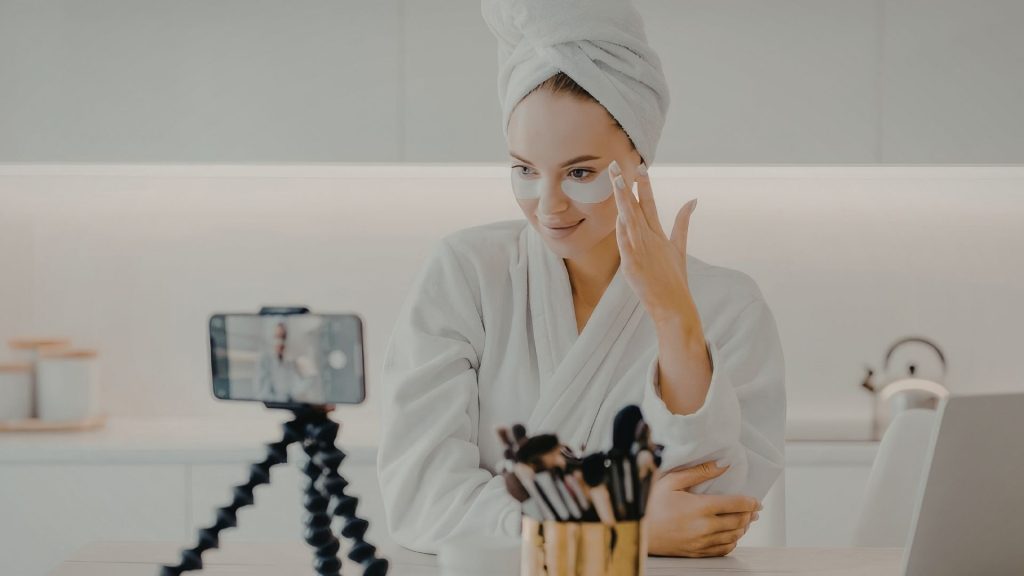
Health and cosmetic products require a profound level of consumer trust. Influencers built their initial success on the premise that people buy from people. However, audiences are increasingly savvy. If a creator built their following on gaming and suddenly begins promoting a boutique skincare routine, the audience immediately sees through the transaction. To survive this shift, creators must maintain absolute editorial freedom. They must possess the ability to express reservations about a product and only accept partnerships that fit the established relationship they have with their community.
Strategy over quick sales
Brands are beginning to realize that paying for a quick sales spike via a discount code damages long term trust. The most successful cosmetic marketing strategies now involve developing deep, multi month relationships with creators. Instead of forcing a celebrity to sell everything in one short video, brands allow them to authentically tell the story of why they integrate a specific health product into their daily lives. The ultimate test for the modern creator economy is proving that the influencer would plausibly use the product even if the cameras were turned off.