


The biggest sporting event of the decade is currently dominating the digital feed. As the World Cup takes over North America, global brands are abandoning the traditional commercial break. Instead, they are building massive physical playgrounds specifically designed for influencers.
The creator playground strategy
Unilever recently launched its largest sports marketing effort in company history. However, the target audience for the physical activation is incredibly small. The personal care giant built an exclusive, lighted indoor soccer pitch and content hub designed entirely for digital creators.
This signals a massive shift in sports marketing. Brands finally understand that traditional broadcast advertisements lack organic reach. By building a highly aesthetic physical space for influencers, Unilever guarantees massive digital scale. The creators film their experiences, post to their own massive audiences, and generate millions of organic impressions that reach fans far beyond the stadium walls. Brands are no longer buying ad space. They are buying the creators.
The Americanization of global soccer
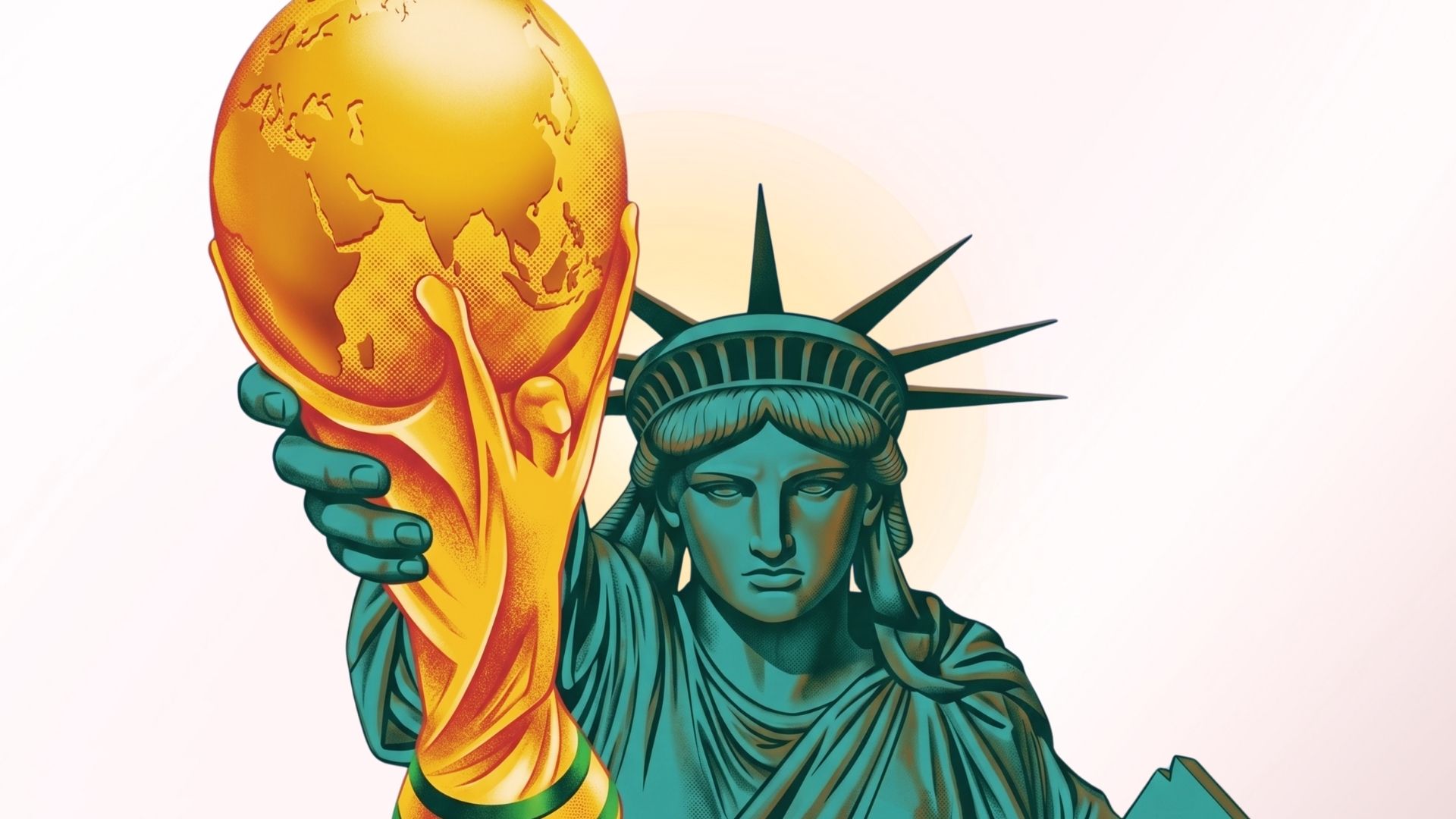
The 2026 tournament is experiencing a severe cultural shift. Because the event is hosted across North America, the marketing approach mirrors the spectacle of the Super Bowl. We are witnessing the complete Americanization of the World Cup.
The tournament is heavily commercialized and deeply intertwined with lifestyle, music, and celebrity culture. The matches themselves often function simply as a backdrop for VIP creator content. Brands are flying influencers across the country, dressing them in limited edition merchandise, and hosting exclusive parties. Soccer has fully merged with the creator economy, transforming a global sporting event into a month long digital lifestyle festival.

The new advertising arena
The traditional television commercial is losing its cultural power. Modern fans watch the match on a television screen while simultaneously scrolling their social media feeds on a mobile phone. Brands know that the real engagement happens on the second screen.
To capture audience attention during the summer of 2026, companies must integrate seamlessly into the daily content consumption of the viewer. Influencers provide the perfect vehicle. When a creator shares their World Cup experience, the brand integration feels natural, entertaining, and highly trustworthy. The brands winning the summer are the ones treating the tournament as an exclusive content opportunity for their digital partners rather than a traditional media buy.