







As algorithms master execution and automation takes over daily tasks, the skills required to survive the digital economy have completely changed. Hyper specialization is no longer a safety net. To thrive in the modern landscape, you must reclaim your cognitive independence. Here are five essential books designed to help you build a resilient, generalist mind and protect your creativity from the exhaustion of the digital feed.
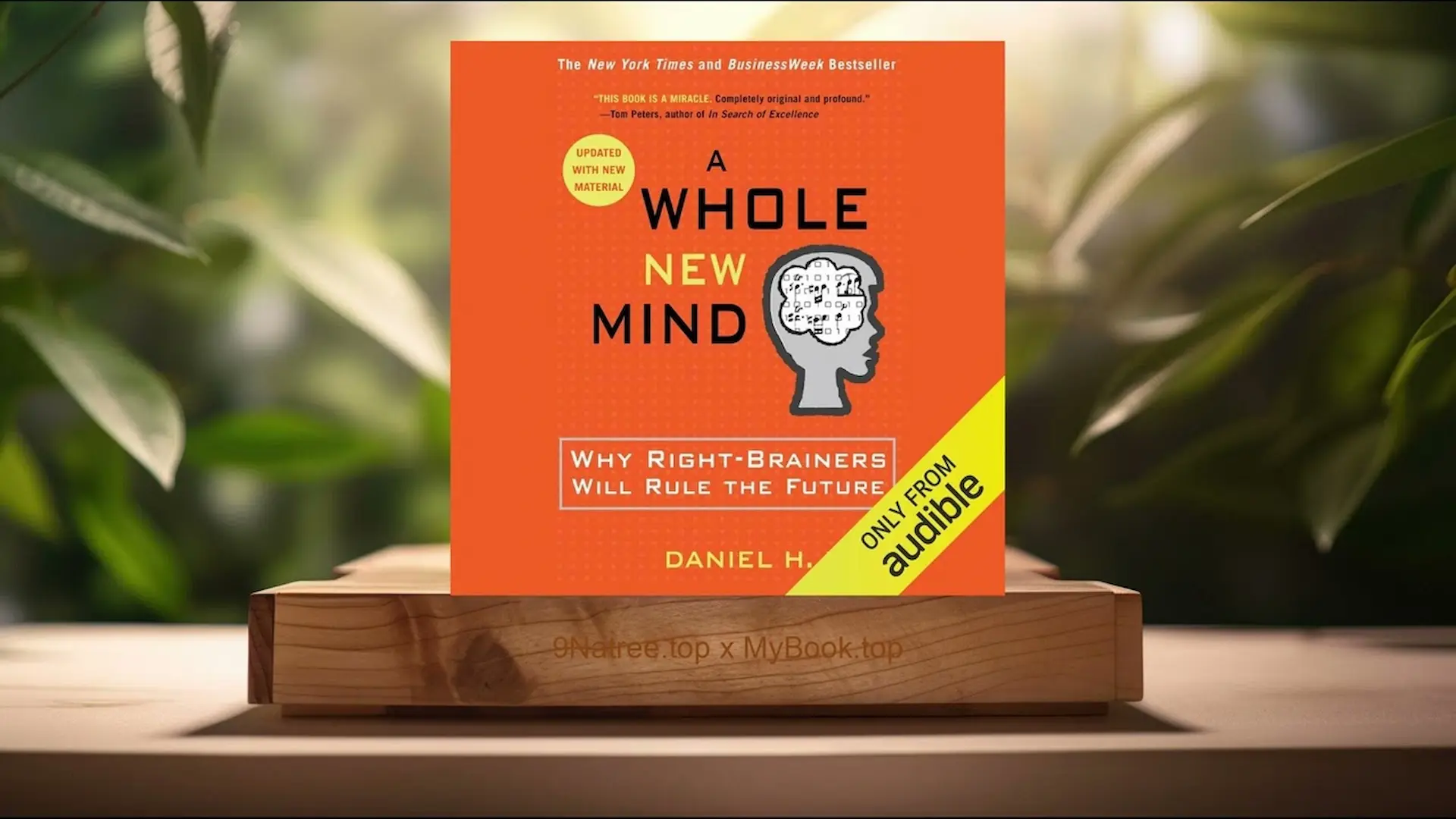
A Whole New Mind by Daniel Pink
Daniel Pink argues that we are moving out of the Information Age and into the Conceptual Age. For decades, logical, linear, and analytical thinking defined success. However, as these tasks are increasingly automated by software and AI, the future belongs to those with right-brain capabilities. This book explores six essential human aptitudes; Design, Story, Symphony, Empathy, Play, and Meaning, that machines cannot easily replicate. It is a vital guide for anyone looking to move beyond simple data processing and into high-level creative strategy.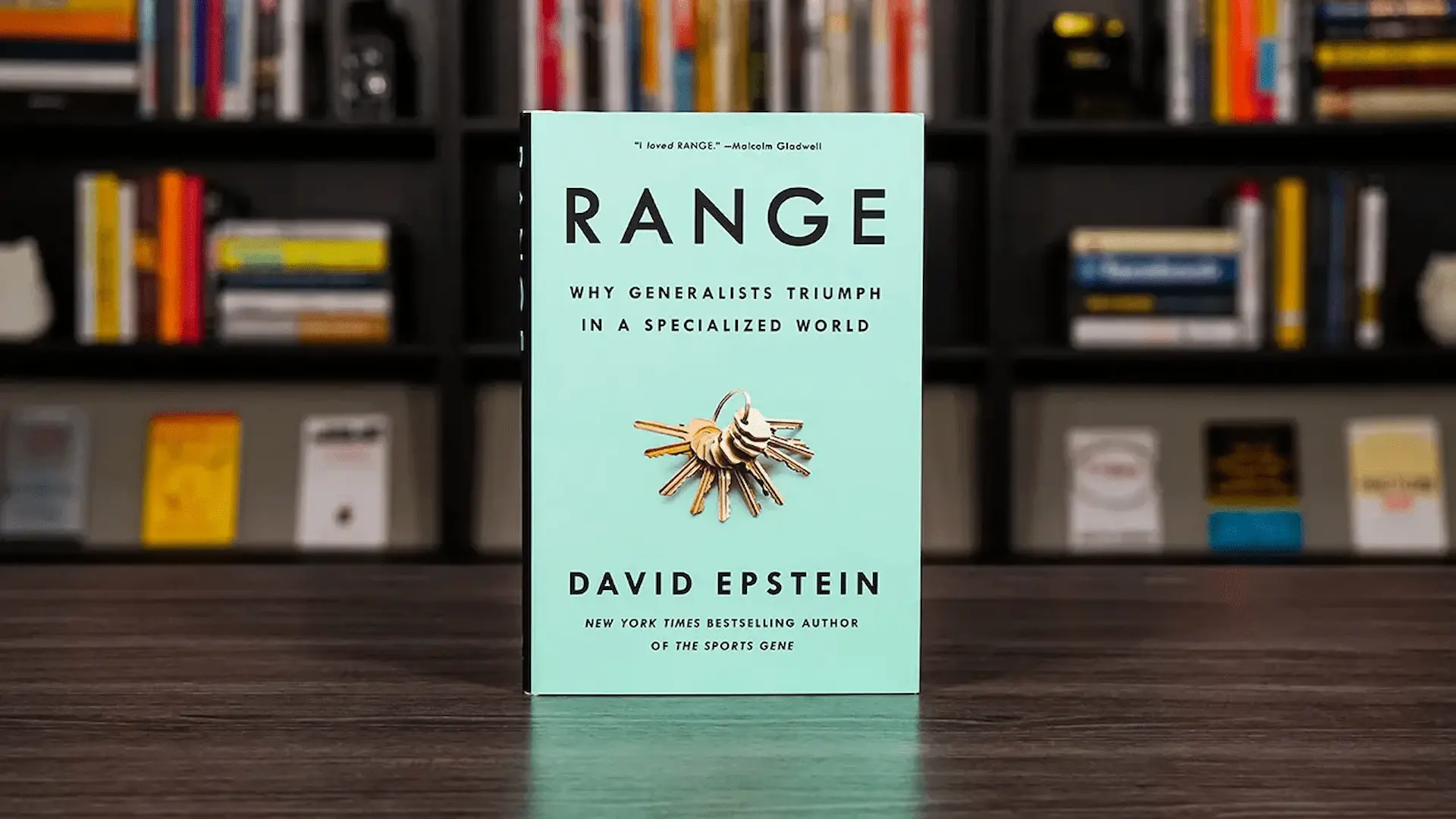
Range by David Epstein
As artificial intelligence masters hyper-specialized tasks, the traditional model of single-depth expertise is becoming a liability. David Epstein provides a powerful case for the generalist. He argues that people who think broadly and embrace diverse experiences are better equipped to solve complex problems in unpredictable environments. In the digital age, having a wide range of interests and the ability to connect disparate dots is your most significant competitive advantage. The Burnout Society by Byung-Chul Han
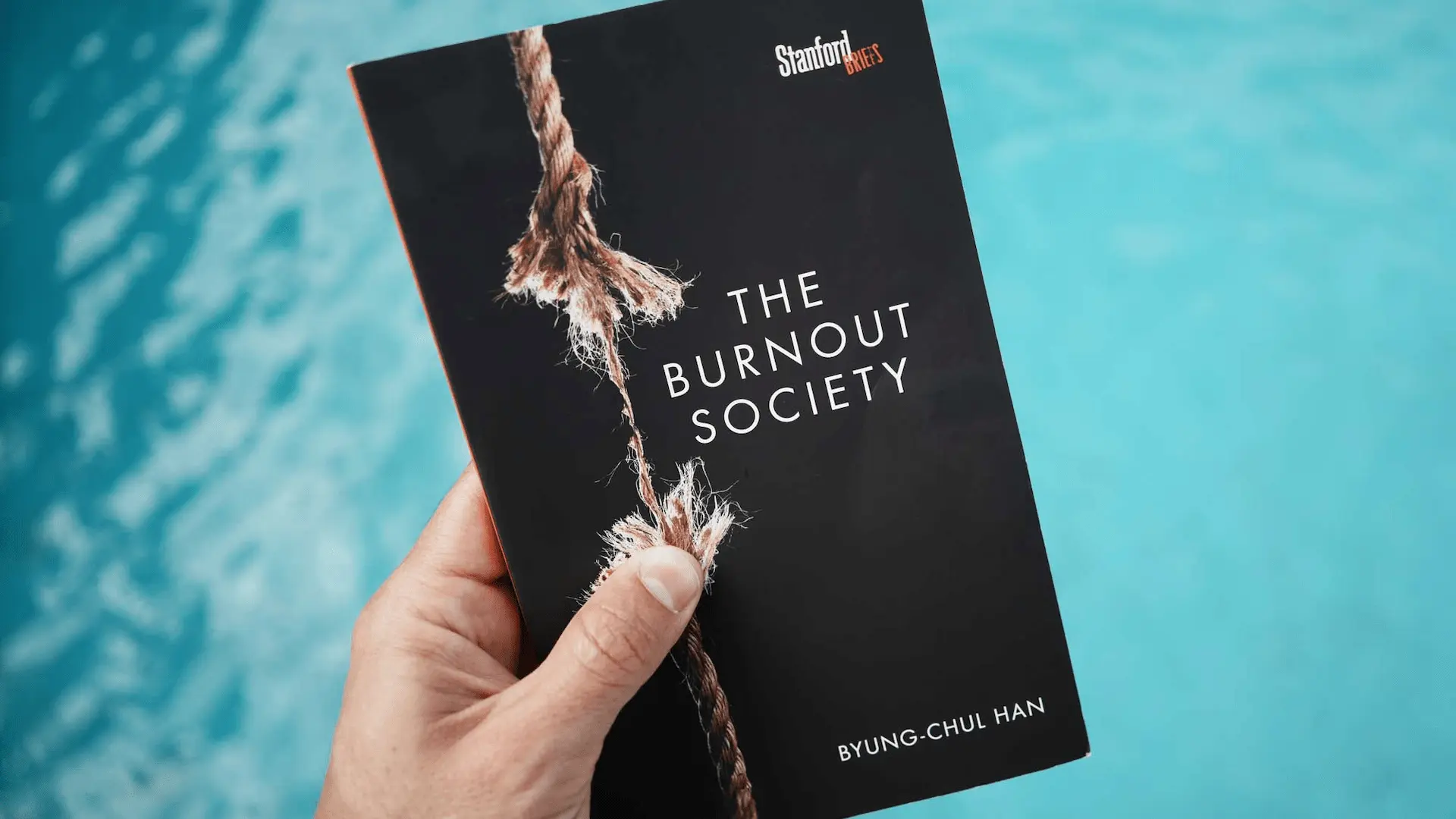
Byung-Chul Han offers a sharp critique of the modern achievement-oriented world. He explains that we have moved from a society of prohibition to a society of “can.” We are no longer oppressed by external forces, but by our own internal drive for constant optimization and productivity. This book is essential for understanding the psychological toll of the creator economy and the relentless pressure of the digital feed. It provides the philosophical foundation needed to resist self-exploitation.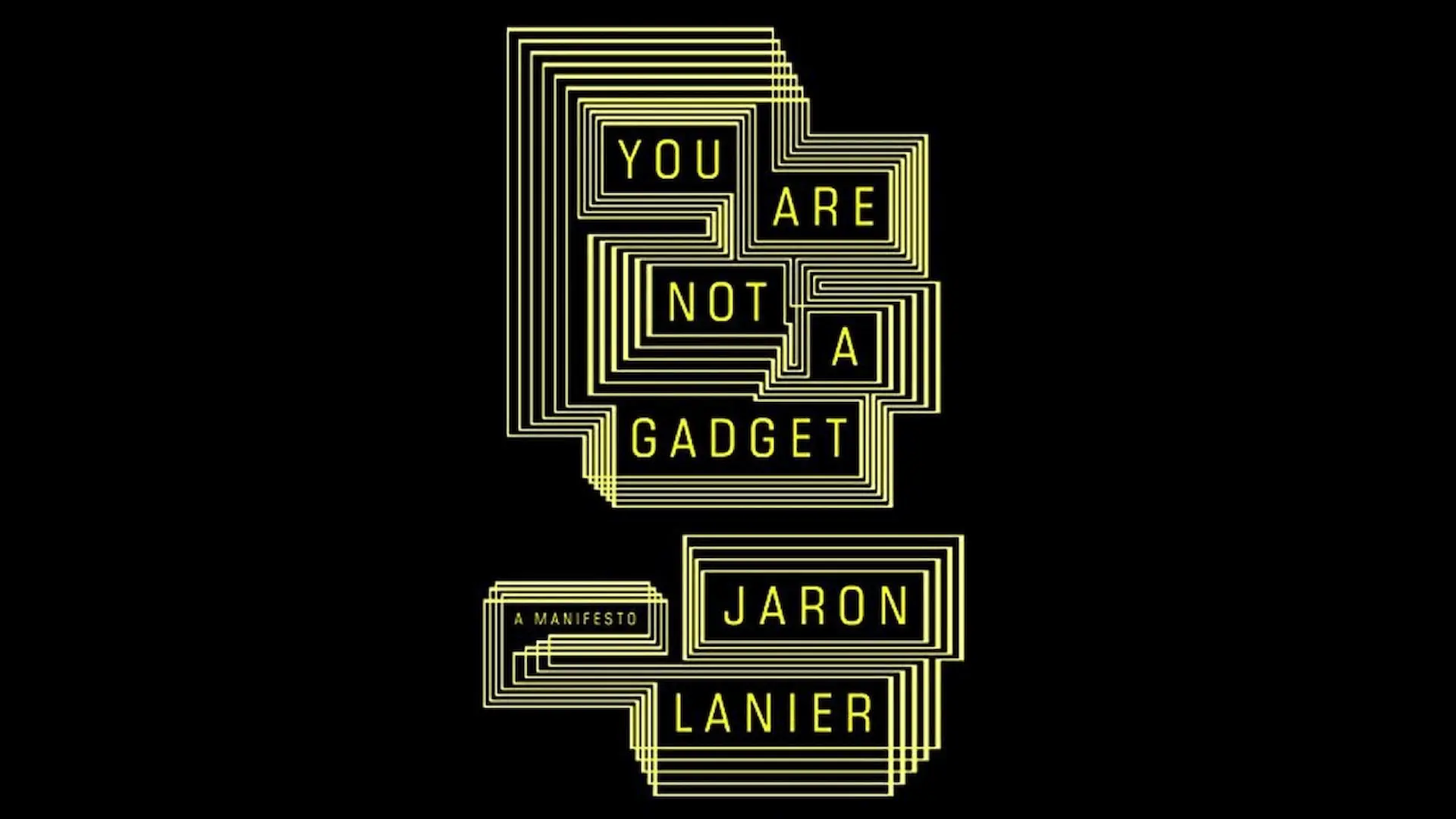
You Are Not a Gadget by Jaron Lanier
Jaron Lanier, a pioneer of virtual reality, delivers a necessary warning about the “hive mind” of the internet. He argues that the current design of digital platforms reduces complex human beings to simple data points and social media profiles. To survive the digital age, we must resist the urge to let software define our identities. This book encourages a return to human-centric technology and reminds us that personal voice and individual agency are more important than algorithmic trends.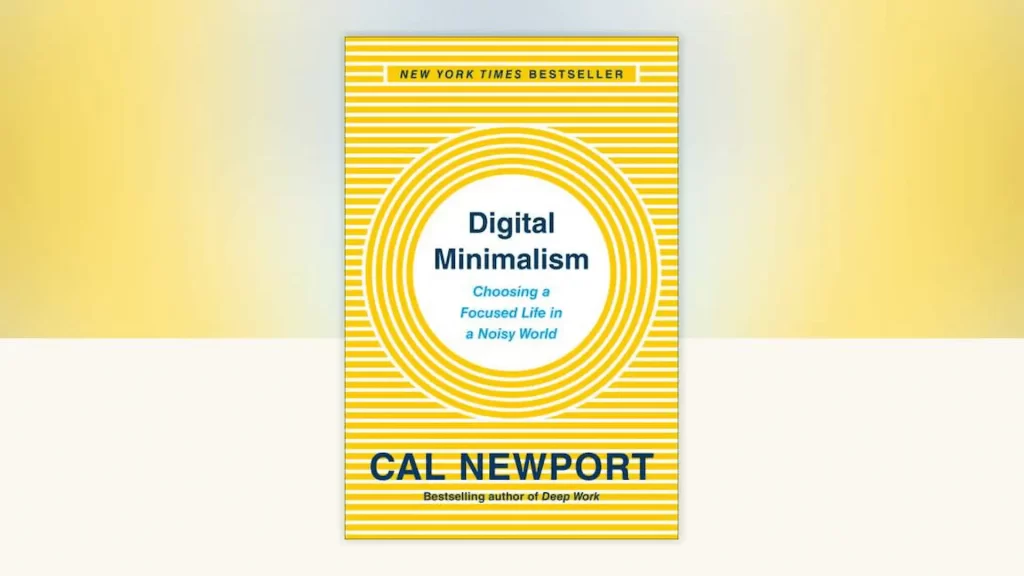 Digital Minimalism by Cal Newport
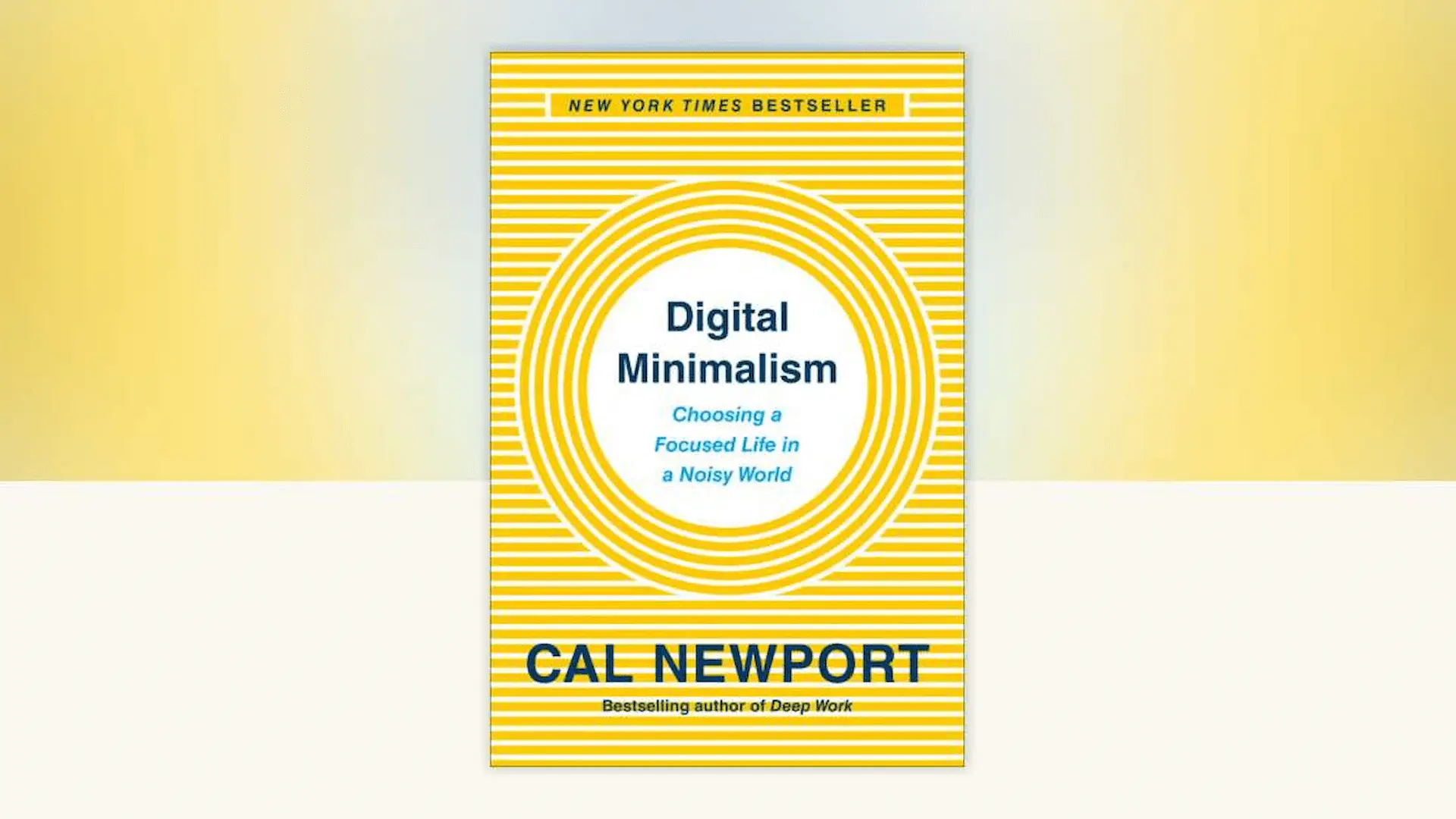
Cal Newport provides a practical philosophy for surviving the “Zero Click” and attention-driven internet. Instead of simply quitting technology, Newport suggests a focused approach where you only use digital tools that directly support your core values. This book perfectly aligns with the rising “Analog Lifestyle” trend. It teaches you how to reclaim your time from the slot-machine mechanics of social media, allowing you to focus on deep, meaningful work that a machine cannot simulate.