





Publisher search traffic plummeted by a third last year. With Google aggressively rolling out its new AI Mode, relying on organic search is officially a losing strategy.
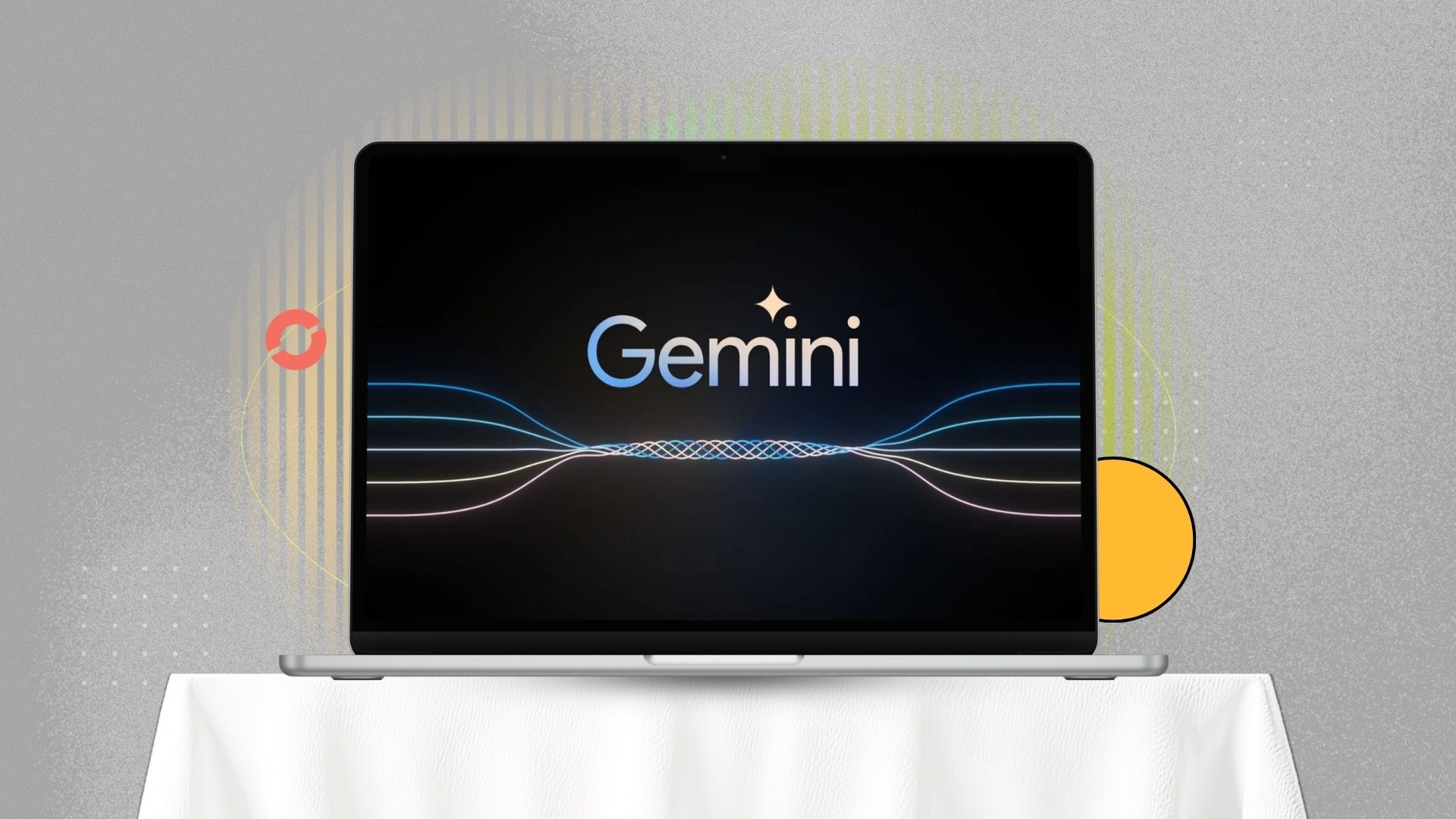
Google just fundamentally changed the architecture of the internet with the widespread rollout of its new AI Mode. Powered by the Gemini 3 model, this search feature allows users to ask complex questions using text, voice, or image uploads. Instead of returning a traditional list of blue links, AI Mode deploys tools like Deep Search to browse hundreds of websites, extract the most valuable information, and craft a comprehensive, fully cited report directly on the search results page.
For two decades, the digital economy ran on a simple exchange. Creators and publishers provided the information, and Google provided the traffic. With AI Mode now acting as the ultimate answering machine, that era is officially over. According to new data from the Reuters Institute and Chartbeat, global search traffic to publishers dropped by a staggering 33 percent in 2025. In the US, organic referrals fell by 38 percent.
The cause is a deliberate product shift. Google is now aggressively pushing its new AI Mode, powered by its Gemini 3 model. The feature includes tools like Deep Search, which browses hundreds of sites to craft comprehensive, fully cited reports directly on the search results page. Google frames this as making research easy for the user. For digital publishers and creators, it means the user never has a reason to click their link.
The platform absorbs your content, generates an answer, and keeps the user trapped in the Google ecosystem.
The collapse of utility content
Media leaders know the traditional SEO playbook is broken. According to the report, publishers expect search traffic to decline by another 43 percent over the next three years. Content built purely for search volume is being wiped out by automated summaries. If you write recipes, travel guides, or product reviews designed to rank on page one, a machine is already summarizing your work and handing it to the user without giving you a single pageview.
This shift completely breaks the traditional creator monetization model. When users stop clicking through, programmatic ad revenue and on site affiliate sales simply disappear. The reality of the current internet is brutal. You cannot monetize an audience that never actually arrives at your website.

The multi platform traffic squeeze
To make matters worse, search is not the only dying traffic source. As noted by Press Gazette in their analysis of the traffic decline, publishers are also seeing social media referrals drop globally. Traffic from Facebook is down 43 percent compared to May 2023, and X referrals have plummeted by 46 percent globally over the same period. The entire architecture of the open internet is changing. Platforms no longer want to be distribution channels that send users away. They want to be closed loops, keeping human attention locked inside their own walled gardens to train their own systems and serve their own ads.
Surviving the zero click internet
The only viable path forward is building direct relationships. Relying on an algorithm to deliver your audience is no longer a reliable business strategy. To survive the zero click internet, creators must pivot to formats that a machine cannot easily summarize. This means prioritizing strong opinion pieces, personality driven video content, and highly engaged private communities.
More importantly, it requires taking total ownership of your traffic. Moving followers to email lists, independent networks, and owned digital storefronts is the only guarantee that your business will survive, regardless of how tech giants decide to redesign their interfaces tomorrow.