






Scammers are cloning creators and medical professionals to peddle dubious products. Here is how fake personas are generating real cash and threatening the human influencer industry.
The creator economy is facing a massive identity crisis. Social media platforms are currently flooded with highly sophisticated deepfakes and fully synthetic personas. These automated avatars are not just posting aesthetic photos. They are actively stealing affiliate commissions, hijacking human credibility, and peddling unverified products to unsuspecting audiences.
According to recent reports, scammers are aggressively exploiting the hard earned trust of real influencers. They use artificial intelligence to clone the likeness of prominent beauty creators and medical professionals. In one disturbing case highlighted by the Business of Fashion, the digital avatar of a Beverly Hills plastic surgeon was used without his consent to recommend dubious health supplements. Scammers deploy these cloned faces alongside affiliate links, quietly siphoning revenue while destroying the reputation of the original creator.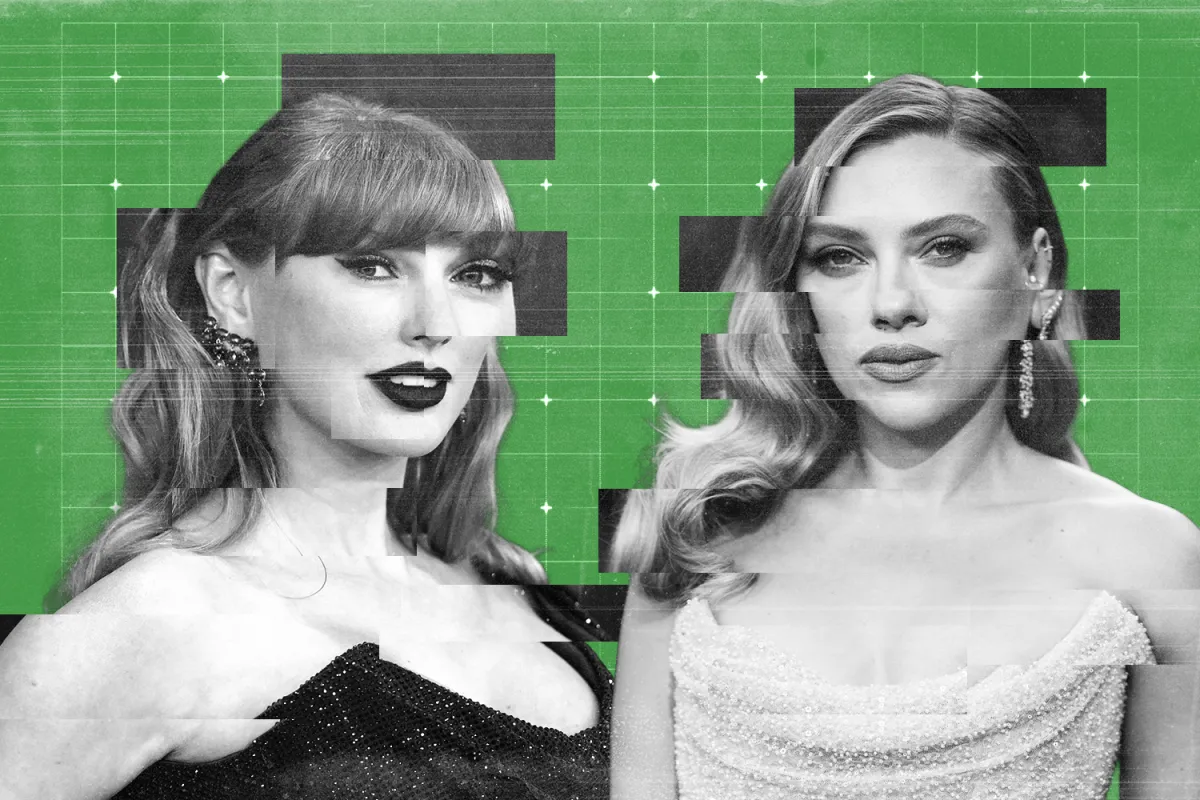
The fraud goes beyond simple cloning. Entirely synthetic personas are being manufactured with elaborate, highly specific backstories designed to exploit algorithmic niches. One TikTok account features a fake influencer claiming to be a Victoria’s Secret model and the wife of a top South Korean plastic surgeon, existing solely to push hair growth oil through affiliate links. These avatars never sleep, never demand brand deals, and scale their deceptive marketing with automated direct messages.
While platforms like YouTube are scrambling to launch experimental tools to help creators detect deepfakes, the financial damage is already happening. Some brands are even cutting out human creators entirely, opting to partner with established synthetic avatars like Aitana Lopez for major campaigns to save costs.